Introduction
In an age where security is paramount, the implementation of effective surveillance systems has never been more crucial. Whether it's a home, office, or commercial facility, installing CCTV cameras can significantly enhance security and deter potential threats. However, successful security camera installation is not as simple as it seems. It requires careful planning and execution to ensure optimal performance.
This article provides “The Ultimate Checklist for Successful CCTV Camera Installation.” By following this comprehensive guide, you'll gain insights into the nuances of setting up your CCTV system effectively. From selecting the right type of security surveillance cameras to understanding access control systems, we have you covered.
The Ultimate Checklist for Successful CCTV Camera Installation
1. Understand Your Security Needs
Before diving into the installation process, it's essential to evaluate your specific security needs. Consider the following questions:
- What areas need monitoring? What type of threats do you anticipate? Do you require indoor or outdoor security cameras?
Understanding your requirements will guide your decisions throughout the installation process.
2. Choosing the Right Cameras
2.1 Indoor vs Outdoor Security Cameras
Indoor security cameras are designed for monitoring interior spaces, while outdoor security cameras are built to withstand various weather conditions.
- Indoor Cameras: Typically smaller and less robust but equipped with features like two-way audio. Outdoor Cameras: Built with weatherproof housing and often feature night vision capabilities.
Choosing the right type ensures that you cover all necessary areas effectively.
2.2 Features to Consider
When selecting your cameras, consider these critical features:
- Resolution: Look for at least 1080p for clear images. Night Vision: Essential for low-light conditions. Motion Detection: Alerts you when movement is detected. Field of View: A wider angle means fewer cameras needed.
3. Selecting Your CCTV System
3.1 Wired vs Wireless Systems
Deciding between wired and wireless systems can impact both functionality and ease of installation.
- Wired Systems: Provide reliable connections but may require professional installation. Wireless Systems: Easier to install but may face interference issues.
Each option has its pros and cons; choose based on your environment and preferences.
3.2 DVR vs NVR
A Digital Video Recorder (DVR) works with analog cameras, while a Network Video Recorder (NVR) is suited for IP cameras. Determine which technology aligns best with your chosen cameras.
4. Planning Your Installation Layout
4.1 Site Surveying
Conduct a thorough site survey to identify ideal camera locations:
- Entry points High traffic areas Dark corners that need illumination
Mapping out these locations helps in ensuring comprehensive coverage.
4.2 Camera Placement Guidelines
Follow guidelines for optimal placement:
- Height should be at least 8 feet off the ground. Avoid placing directly in front of bright lights. Ensure no obstructions block the view.
5. Installation Preparation
5.1 Gathering Necessary Tools and Equipment
Before installing, make sure you have all required tools on hand:
- Drill Screwdrivers Level Cable cutters Safety equipment
Having everything ready saves time during installation.
5.2 Ensuring Power Supply Availability
Determine how each camera will receive power:
- Battery-operated options can simplify installations. Wired installations may require additional electrical work or outlets.
6. Installing The Security Cameras
6.1 Mounting The Cameras Properly
Follow manufacturer instructions carefully during installation:
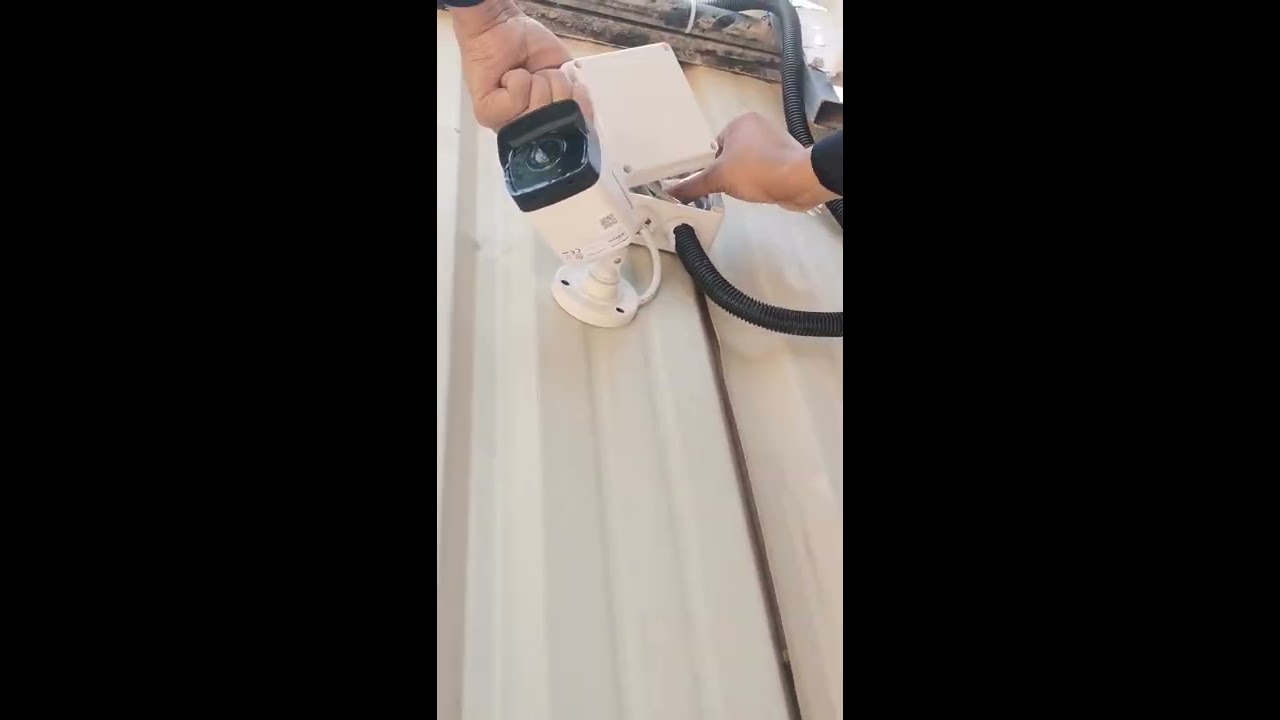
Mark drill holes accurately. Use anchors if installing in drywall. Ensure that cables are neatly run without tangles.Proper mounting prevents future adjustments and damages.
6.2 Configuring The Cameras
After mounting, configure each camera according to its specifications:
- Set up Wi-Fi connections if applicable. Adjust settings like resolution and motion sensitivity.
7. Integrating Access Control Systems
Integrating access control systems with your CCTV setup enhances overall security by allowing restricted access based on surveillance data analysis.
7.1 Types of Access Control Systems
Consider these options when integrating with your CCTV system:
- Keypad entry systems Biometric scanners Card readers
Each provides unique benefits depending on your security needs.
8 Understanding Storage Solutions
When discussing “The Ultimate Checklist for Successful CCTV Camera Installation,” one cannot overlook storage solutions crucial for retaining recorded footage:
8.1 Local Storage Options
You can opt for local storage solutions such as:
- Hard Disk Drives (HDDs) Network Attached Storage (NAS)
Local storage allows direct access but might limit accessibility from remote locations.
8.2 Cloud Storage Solutions
Cloud storage offers flexibility by allowing footage access from anywhere:
- Subscription-based models usually offer scalable options Ensure secure encryption methods are in place
Choose a solution that aligns with your budget and accessibility needs.
9 Testing Your System
Once installed, it’s time to test everything thoroughly:
9.1 Functionality Tests
Conduct functionality tests by checking:
- Live feed clarity Motion detection response Night vision effectiveness
Ensure all features operate smoothly before finalizing installation.
9.2 Adjustments & Fine-tuning
Based on testing results:

- Adjust camera angles as necessary Modify sensitivity settings
Fine-tuning ensures optimal performance under varying conditions.
10 Regular Maintenance Practices
To keep your system running efficiently over time:
10.1 Routine Inspections
Schedule routine inspections every few months:
- Check camera lenses for dirt or obstructions Inspect wiring for wear
Regular checks help maintain consistent operation.
10.2 Software Updates
Stay updated on firmware updates from manufacturers:
- Schedule updates during non-busy hours Monitor release notes for enhancements
Updating software enhances security features over time.
FAQs About CCTV Camera Installation
Q1: How long does it take to install a CCTV system?
A: Installation time varies based on complexity—typically anywhere from a few hours to a full day.
Q2: Can I install my own CCTV system?
A: Yes! DIY installations are feasible; however, professional help may ensure optimal layout and functionality.
Q3: What is the best location for outdoor cameras?
A: Position outdoor cameras at entry points like doors or garages while avoiding direct sunlight glare.
Q4: How much does a typical CCTV system cost?
A: Costs fluctuate widely based on components; basic systems start around $200 while advanced setups can exceed $2000.
Q5: Do I really need night vision capabilities?
A: Night vision is essential if monitoring areas in low light; otherwise, daytime-only views suffice!
Q6: How often should I review recorded footage?
A: Reviewing footage weekly enables https://canvas.instructure.com/eportfolios/3480645/riverkuhp056/how-access-control-systems-work-a-comprehensive-overview timely detection of any unusual activities or incidents!
Conclusion
“The Ultimate Checklist for Successful CCTV Camera Installation” provides essential insights into creating a robust surveillance system tailored to meet specific security needs effectively—be it residential or commercial spaces! With thorough planning, proper equipment selection, meticulous installation practices alongside regular maintenance routines—maintaining safety becomes significantly easier!
By following this checklist diligently combined with vigilance over time—you'll empower yourself against potential threats while fostering peace of mind within monitored environments! Always remember—the right tools coupled with knowledge make all difference when protecting what matters most!